


Digital Marketing: More Than Just What We Learn in Class
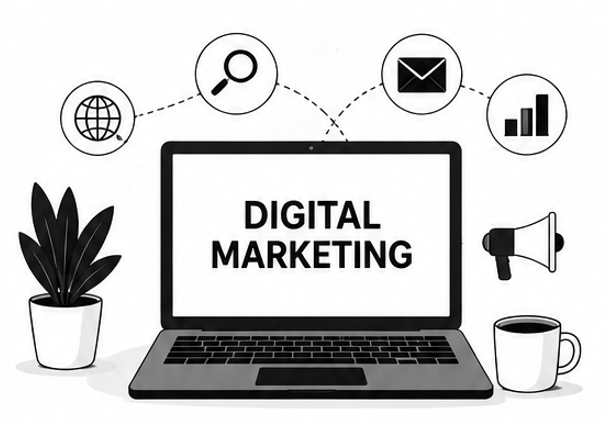
Digital Marketing for Beginners can feel exciting, but it can also be confusing when you are just starting. As a student exploring digital marketing, I quickly realised that there is much more to learn than simply posting on social media or running advertisements. Terms such as SEO, content marketing, social media marketing, Google Ads, analytics, keywords, backlinks, and conversion rates can make it difficult to know where to begin.
The good news is that you do not need to learn everything at once.
Digital marketing for beginners becomes much easier when you understand the basic concepts first and then gradually apply them through practical experience. In this article, I will explain what digital marketing means, its major areas, the skills beginners should develop, common mistakes to avoid, and a simple roadmap for getting started.
What Is Digital Marketing?
Digital marketing is the process of promoting a business, product, service, website, or personal brand through digital channels.
These channels can include search engines, websites, social media platforms, email, online advertisements, and other internet-based platforms.
For example, when you search for something on Google and visit a website from the results, you are interacting with digital marketing. When you see a sponsored advertisement on social media, that is another form of digital marketing.
The basic purpose is simple: connect the right message with the right audience through digital channels.
A successful campaign may encourage people to visit a website, contact a business, purchase a product, subscribe to an email list, or simply learn more about a brand.

Why Is
Digital Marketing Important?
The internet has changed the way people discover businesses and make decisions. Before purchasing a product or service, many people search online, compare options, read reviews, and look for useful information.
This creates opportunities for businesses of different sizes.
Digital marketing can help a business:
- Build online visibility
- Reach a specific audience
- Increase website traffic
- Generate leads
- Build brand awareness
- Communicate with customers
- Promote products and services
- Measure marketing performance
One of the biggest advantages of digital marketing is measurability. Marketers can study data to understand how people interact with their campaigns and websites.
Main Areas of Digital Marketing
Digital marketing is not a single skill. It includes several connected areas
1. Search Engine Optimization
Search Engine Optimization, or SEO, focuses on improving a website’s visibility in search engine results.
For example, if someone searches for “digital marketing for beginners,” search engines need to determine which pages are useful and relevant to that search.
SEO includes activities such as:
- Keyword research
- Content optimization
- On-page SEO
- Technical SEO
- Internal linking
- Image optimization
- Website performance
- Building quality backlinks
The goal should not be to fill a webpage with keywords. Instead, you should create useful content that clearly answers the visitor’s question.
2. Content Marketing
Content marketing involves creating useful information for a specific audience.
Content can include blog posts, videos, guides, social media posts, newsletters, tutorials, and case studies.
For a beginner, creating a blog can be an excellent learning exercise. Writing regularly helps you improve research, communication, SEO, and audience understanding.
Good content should provide a reason for someone to spend time reading or watching it.
3. Social Media Marketing
Social media marketing involves using platforms such as Instagram, Facebook, LinkedIn, YouTube, and other networks to communicate with an audience.
However, social media marketing is more than simply uploading posts.
Before creating content, you should understand:
Who is the audience?
What information do they need?
What type of content do they prefer?
What action should they take?
Answering these questions can help you create a more focused social media strategy.
4. Online Advertising
Businesses can also use paid advertising to reach potential customers.
Search advertising and social media advertising can help businesses reach selected audiences and promote specific products, services, or offers.
However, paid advertising does not guarantee success.
A good campaign requires a clear objective, relevant audience, strong messaging, appropriate creative content, and regular performance analysis.
5. Email Marketing
Email marketing allows businesses to communicate directly with people who have chosen to receive their messages.
Companies can use email to share educational content, updates, product information, offers, and other useful information.
The most important thing is relevance. People are more likely to pay attention when the information is useful to them.
6. Analytics
Analytics is another important part of digital marketing.
A marketer should understand what happens after content or a campaign is published.
For example, you might want to know:
- How many people visited the website?
- Where did those visitors come from?
- Which pages received the most attention?
- How many people clicked a button?
- Which campaign generated better results?
Data can help marketers make better decisions instead of relying entirely on assumptions.
What Should Beginners Learn First?
One common mistake is trying to learn every digital marketing skill simultaneously.
A better approach is to build your knowledge step by step.

Start with these areas:
First, understand digital marketing fundamentals.
Learn how different channels work and why businesses use them.
Second, learn basic SEO.
Understand keywords, search intent, on-page optimization, and content structure.
Third, practice content creation.
Write articles, create social media content, and learn how to communicate ideas clearly.
Fourth, understand social media marketing.
Study how different platforms work and how businesses communicate with their audiences.
Finally, learn basic analytics.
Understand important metrics and how they can help you evaluate your work.
Once you understand these fundamentals, you can choose an area that interests you most.
Learn Through Your Own Project

One of the best ways to understand digital marketing for beginners is to create something yourself.
You could start a small website or blog and use it as a practical learning project.
For example, you can:
- Choose a topic.
- Research your audience.
- Find relevant keywords.
- Create useful content.
- Optimize your pages.
- Improve your website structure.
- Share your content.
- Study the results.
- Identify problems.
- Make improvements.
This process gives you practical experience instead of only theoretical knowledge.
Your first project does not have to be perfect. In fact, making mistakes can be an important part of learning.
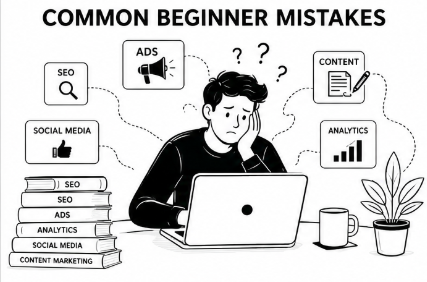
Common Beginner Mistakes
Trying to Learn Everything at Once
Digital marketing has many specializations. Trying to master everything immediately can make the learning process overwhelming.
Start with the basics and expand gradually.
Focusing Only on Tools
Tools can make marketing work easier, but understanding the strategy behind the tool is more important.
Learn the concept first and then learn how tools can support it.
Writing Only for Search Engines
SEO is important, but your content is ultimately meant for people.
Create content that is useful, understandable, and relevant to the reader.
Expecting Immediate Results
Some digital marketing activities take time.
SEO, content marketing, and building an online presence may require consistent effort before noticeable results appear.
Ignoring Data
Without measuring results, it is difficult to understand what is working.
Even beginners should develop the habit of checking basic performance information.
A Simple Digital Marketing Roadmap for Beginners
If you are wondering where to start, follow this simple roadmap.
Step 1: Learn digital marketing fundamentals.
Step 2: Understand SEO and keyword research.
Step 3: Start creating useful content.
Step 4: Learn basic website management.
Step 5: Explore social media marketing.
Step 6: Learn basic analytics.
Step 7: Create a personal project.
Step 8: Experiment and measure your results.
Step 9: Identify the area you enjoy most.
Step 10: Develop deeper skills in that specialization.
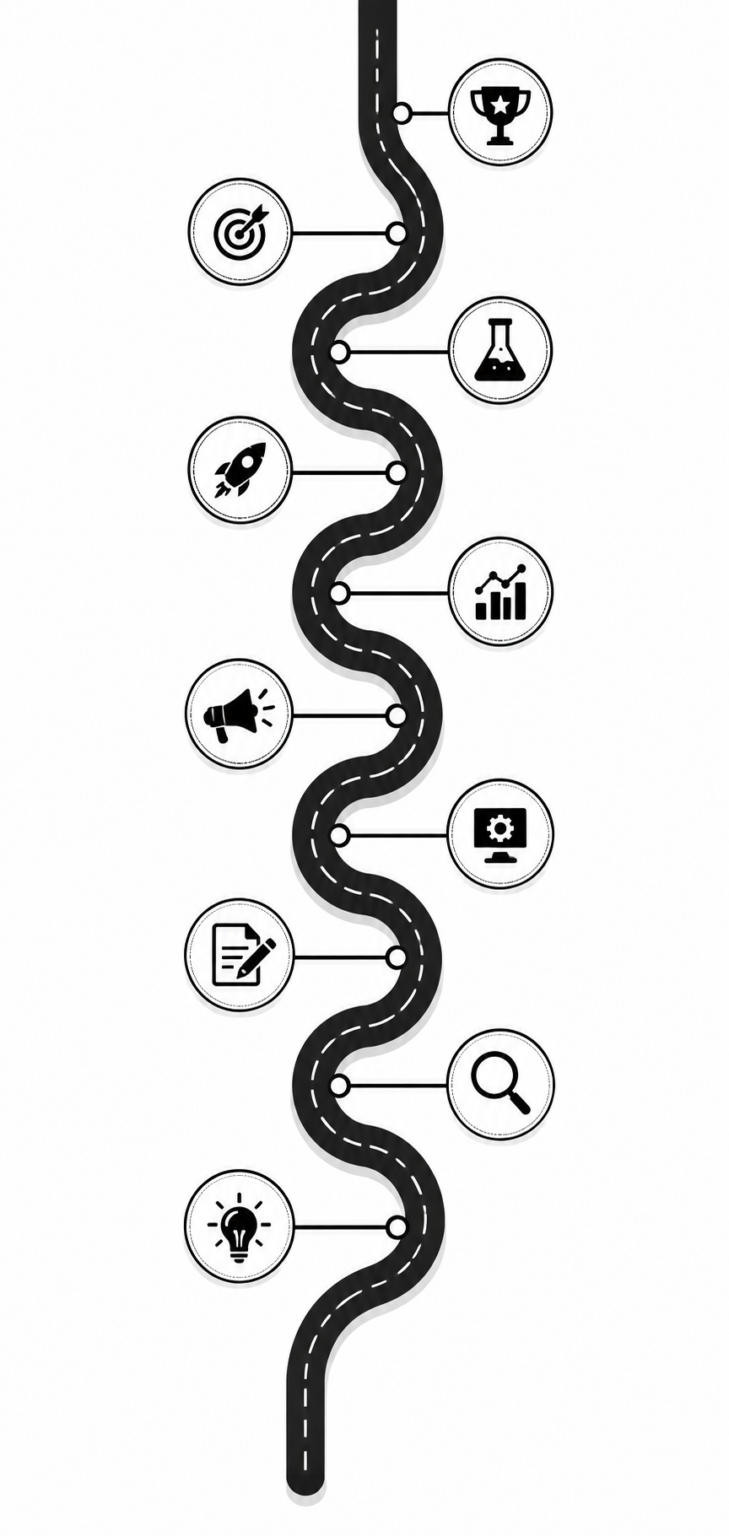
This approach allows you to learn gradually without feeling that you have to understand the entire industry immediately.

Final Thoughts
Learning digital marketing for beginners does not have to be complicated.
You do not need to know everything before taking your first step. Start with the fundamentals, choose one topic at a time, and apply what you learn through practical projects.
Digital marketing combines creativity, communication, technology, and data. That combination makes it an interesting field for anyone who enjoys learning and experimenting.
The most valuable lesson is simple: learn, apply, measure, and improve.
Instead of waiting until you feel completely ready, start with a small project and learn from the experience. Every article you write, every webpage you optimize, and every result you analyze can help you become a better digital marketer.
If you are just beginning your journey, remember that you do not need to become an expert overnight. Consistent learning and practical experience can take you much further than trying to learn everything at once.